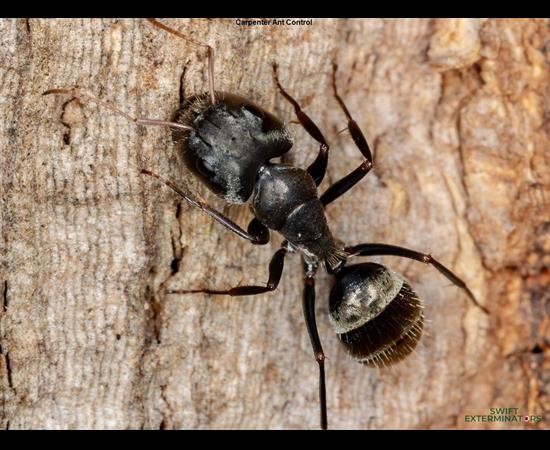
Identifying the source of the ant problem is the first step in Carpenter ant control. There are two types of nests for Carpenter ants: satellite and main. Satellite nests branch from the parent colony and contain only workers and mature larvae. Typically, they form in wood, but can also be found in fiberglass insulation. Once you have identified a colony, look for signs of constant moisture, including piles of sawdust.
These pests can also be controlled with non-repellent dusts. These dusts can also be used to treat hidden areas. Dusts tend to kill carpenter ants faster than foams, but they may require a few extra holes or openings to be effective. Limiting the amount of food and water sources will help make your property less attractive to these pests. To discourage pesticide use, you can trim the foliage.
It is important to locate the source of the infestation in order to prevent further damage. Follow the ants to determine where they are nesting. Look for "frass" near a wall or find a weak rustling sound in the wall. Drill holes every six inches if you find a colony. Then, puff boric acid into these holes. This will kill all carpenter bugs. Repeated treatments are often necessary.
Another option for Carpenter Ant Control is a perimeter barrier. You can use Ficam to treat the wood around your property. Use six ounces per 100 square feet. Ficam should be applied around trees and woodpiles to repel Carpenter ants. You should also trim any vegetation that is not necessary for your home and remove any wood yard debris. These are all effective ways to keep these pests at bay. So, if you notice a carpenter ant infestation, act fast to prevent further damage.
You're not the only one who has ever wondered what carpenter beetles eat. This pest is common and can be found in all kinds of homes. Although they don't eat wood these ants do eat sweet fluids and other foraged insects. While this doesn't affect humans directly, you can still find them in your home if you want to prevent a pest infestation.
Carpenter ants aren't a good addition to your home. Their food is not even similar to the small lunchbox food you give your child. They prefer sweet, sugary foods that are made from flowers and other insects. Depending on what food you have in your home, there might be a few carpenter bugs.
Carpenter ants don’t eat wood but they do chew it up to make nests and tunnels. If you suspect that carpenter ants may be infesting your home, you will see piles of sawdust. These ants are looking for damp wood that has fallen on the ground, or partially rotten wood. A pile of frass will often be found at the location of an infestation.
Carpenter ants can cause great damage to your home if left unchecked. Their nests can be as close as a foot away from the walls, and you'll have no idea where they're nesting until you see the winged forms. If you see winged males in your home, it could be a sign that you have carpenter bugs. A rustling sound coming from wall voids is also a sign of a carpenter ant infestation.
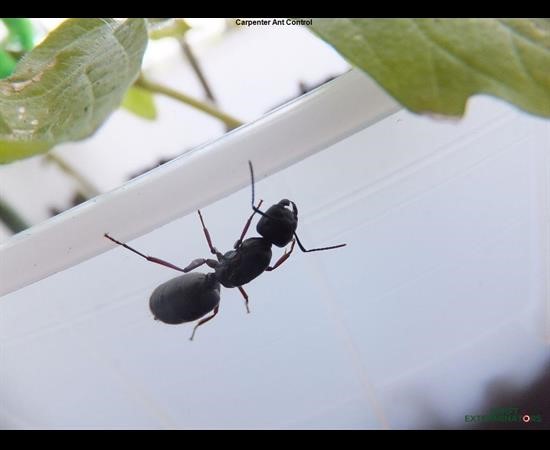
Are TERRO ant traps effective in repelling ants? This question will depend on your situation. The bait contains borax, also known as sodium tetraborate decahydrate. It is a highly effective pesticide as it disrupts the digestive system of ants and weakens their exoskeletons. Since the bait tastes sweet, it works well against odorous house ants and other ants that are drawn to sweets. However, sometimes the ants who choose to feed on the bait are carpenter ants.
Terro anttraps attract ants depending on the severity of your infestation. TERRO ant traps work well for small infestations. They use borax as bait. Borax is a safe, non-toxic, and inexpensive ingredient. The only drawback of this product is the fact that it's not foolproof. The bait station can trap ants, which means that less bait is returned to the colony.
Terro ant baits can be placed in corners, on baseboards, and wherever ants are most active. They're compact, which makes them ideal for placement in homes and apartments. They're also placed in plastic cases that prevent children and pets from touching the bait. The bait can be used indoors or outdoors and is effective against ants. There are three types of bait available, each designed to attract and repel ants.
If you're wondering how to get rid of carpenter ants, there are a few things you can do yourself to minimize damage and save money on professional services. You may be wondering what you can expect as a first homeowner. Depending on which type of carpenter beetle you have, the answer will vary. Carpenter ants live outdoors and are not known to attack solid wood. Carpenter ants prefer to tunnel into walls and framing. However, if you have an infestation, you may need to do some carpentry work. Wood damage can also be caused by plumbing pipes or condensed moisture in cold-water pipes.
The first step in carpenter ant control is to locate the nest. You can track the ants to detect the presence of a nest by following their scent, spotting "frass", or hearing faint rustling sounds in walls. The second step is to locate and treat the colony. The first step is to locate the nest and implement a program. The first treatment may not be effective and may lead to more infestations.
There are two main ways to get rid of carpenter ants: perimeter sprays and in-wood treatments. In-wood treatments are more effective for severe infestations. In-wood treatments use aerosol insecticides, which can be poured into the ant nest. The ants will not return to their nests during the treatment, so it is best that you use an aerosol insecticide to treat carpenter ant colonies.
If you're curious about when carpenter ants are likely to come out, you're not alone. There are several ways to detect the presence of these invasive pests. For example, you can check for winged carpenter ants in your home by noticing rustling sounds coming from the wall voids. These ants are the first to come out when the conditions are right for swarming.
If you see winged insects, it's likely that they have escaped from the wooden piece where they were larvae. These winged ants are able to move out of your house and infest new areas. Broken wings and dead winged ants are also signs of a carpenter ant nest. If you find winged carpenter ants, call a professional ant exterminator immediately.
During colder months, carpenter ants will come out of dormancy and resume activity. They are active during the day but will usually stop active activity in June and July. Despite these factors, carpenter ants are more active during the day and at night, especially during the warmer months of the year. It is important to monitor the weather conditions in your home. If your home is exposed to cold weather, you'll want to ensure that your home is insulated from the elements.
If you see a nest in your yard, you may have a queen or swarmers that have moved inside. If this is the case, you need to take steps to get rid of the ants and seal any cracks. You can also remove any tree stumps from your yard and correct any moisture problems. If you find an ant nest in your home, contact a professional immediately. They will be able to help you out and prevent an infestation in the future.
Top Rated Pest Control In Lafayette, LA!