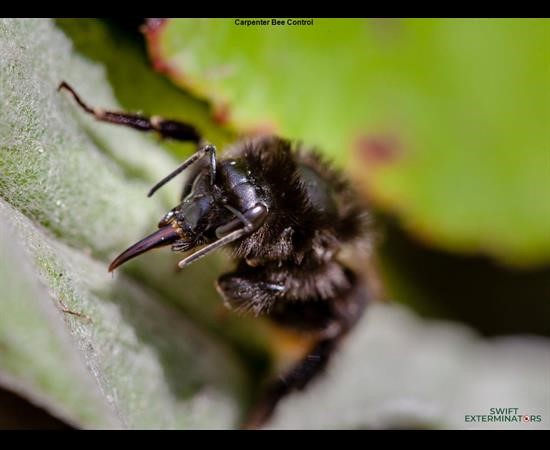
You can eliminate a nest of Carpenter Bees from your home with a few DIY techniques. You can first use almond oil as a deterrent. Almond oil is a natural repellent. It contains Benzaldehyde. Pour a small amount of almond oil into each hole and allow it to soak in. This deterrent should last for three to four months. Tea tree oil is also an option. This is another natural insecticide that contains lambda-cyhalothrin. Mix it with 8 ounces water and spray it in the tunnels.
Another effective way of deterring carpenter bees is by painting wood surfaces. Wood stains are not effective at repelling carpenter bees. However, pressure treated wood is more resistant. You can also repel them with insecticides, but they should be applied after darkness. It is important to follow all directions and consult a cooperative extension service if you do use pesticides. If you don't know how to use pesticides, don't use them.
If you've been stung by a carpenter bee, you may be wondering whether you need a professional pest control service. Seitz Bros. can help you, whether you are concerned about their stings or just the unsightliness and nuisance of their swarming activities. Whether you're worried about the health risks of carpenter bees or simply want to get rid of them once and for all, Seitz Bros. is here to help you!
Limiting access to dead wood is the best way to keep woodbees away from your tree. This will keep carpenter ants away from your tree. Whenever possible, eliminate all accumulated debris in and around your tree. This will stop wood bees building nests in your tree. You can also use an ultrasonic repeller if you have a log house to scare away unwanted insects.
You can use insecticidal powders to control carpenter bees. Dusts containing Demon WP or sevin are recommended. These insecticides can be applied twice during spring and summer. For best results, apply insecticides on two separate occasions. To seal the holes, you can also use wood glue. These dusts can kill adult carpenter bees, however.
Infested furniture should be removed from the tree. It can cause more harm than good as it attracts new carpenter bees. A professional waste disposal company should be hired to remove infested furniture. This will ensure the removal of future generations of bees and wood. If you want to use chemicals, make sure to read the label. Amdro Quick Kill is a registered trademark of Central Garden & Pet Company.
Citrus sprays are another way to get rid wood bees. These sprays are available in aerosol containers. These sprays repel carpenter bees away from trees and other structures when applied. The sprays are also useful on furniture, porches, and play sets. Citronella candles and citrus scent sprays are also options if you don't have any citrus peels.
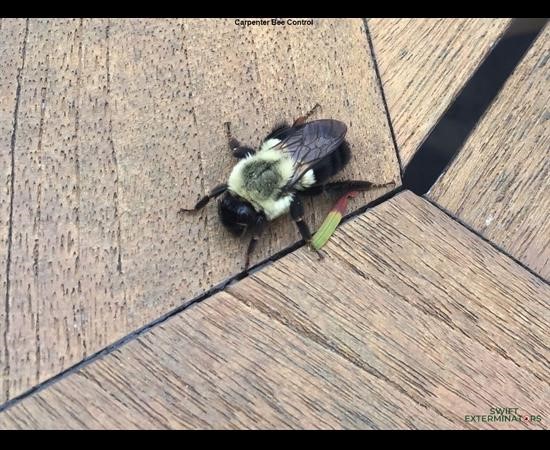
If you want to catch these critters, the first question you need to ask is "Do you have to put anything in a carp bee trap?" There are a number of different things that you can do. For instance, you can use a block of wood with a hole drilled into it. This size block is ideal for this purpose because it is round and easy to handle.
Carpenter bees love sugary baits. Since they do not eat wood, you should put something sweet in the trap to make them stay away from the wooden structure. However, be sure not to put anything in the trap, as carpenter bees can find the trap attractive. Protect the trap from wind and rain so that bees don't fall into it.
If you have a log home, you should consider putting a coat of stain or a solid topcoat on it. This will keep carpenter bees away from your property. Carpenter bees cannot survive long without a solid topcoat, so the best way to protect your log home is by putting a finish on it.
Once you have decided to use a cover, you can lay it on the scrap wood/heavy metal plate. Mark the center of the lid, and measure the distance between it and the lip of the block. Once you have made these adjustments, you can attach the lid to the block. Make sure to clamp the lid down before you drill. Before you drill, make sure the hole you made corresponds to the hole in your bore trap.
The first question you will likely ask is how long it takes for a carpenter honey trap to work. It can take up to a week before the traps are effective, but they're definitely worth the wait. If you're concerned about the bees' ability to escape, you can try using pressure-treated wood. This kind of wood smells like oil, and you can usually find a stamp on it saying L P22. You can also make your own trap by cutting boards together and nailing them together. It will take you about half an hour to make one. Just make sure to wear short sleeves, and wear no jewelry. Tie your hair back if you have long hair.
Another factor that affects the effectiveness of carpenter bee traps is their placement. Place them near sunny and warm areas, such as wooden siding and picnic tables. Avoid placing them near buildings, which are dark and without proper protection. No matter what type of carpenter honey trap you choose, you will get the best results if it is installed before the bees begin to nest in your yard.
After you have installed the traps, it's important to keep in mind that sticky traps can become less effective over time. Sticky traps can get less effective when exposed to rain or sun, and they tend to last about two to three months. It's worth knowing that these products are patentable and handcrafted to exacting standards. Sticky traps are a great option if you are concerned about your garden but don't want expensive pest control.
Carpenter bees love to build their nests under fascia boards and wood. Since they aren't able to chew through vinyl or aluminum, these bees will usually choose to use the same spot every year. If you suspect you have found a carpenter honey bee nest, it is worth going inside to examine the nest. Once you have found it, you can remove it.
To identify a carpenter bee nest, check the wood around it. Carpenter bees burrow into wood to make chambers. They usually leave tell-tale signs, such as mud-covered openings. They prefer end grain wood, so wait until late summer or early fall to cover the hole. If you're lucky, you might be able to catch a carpenter bee on a sunny day.
Carpenter bees prefer softer, unpainted wood. Pressure-treated and painted wood are more vulnerable to their attack. Exterior wood on buildings and fences is especially inviting for these bees. Also look for furniture and outdoor fixtures made of wood. You might even come across a nest. You can remove a nest from a carpenter's bee nest by using your vacuum.
While carpenter bees live solitary lives, they can form small groups and stay in the same area for generations. Although you cannot see their nests directly, you can observe large bees as they move around and you can determine if there is one nearby. You may even notice a hole about half an inch wide, which will be filled with wood dust. Thankfully, carpenter bees rarely sting humans or pets.
Although you can't get rid of all carpenter bees, there are a few ways you can keep them away. You can use natural deterrents, such as citrus oils, lemons, and peppermint, or you can use chemicals. A few of the best deterrents for carpenter bees are those that are derived from natural sources, such as citrus, lemon, and tea tree.
Among these methods, you can use garlic powder to repel carpenter bees. Garlic powder is more effective than other methods. Another long-term solution for carpenter bees is Boracare. Boracare is a pesticide that is applied directly on the wood. It acts as a repellent, and renders it indigestible for wood-destroying insects. It is important to choose a product that is safe to use if you plan to use insecticidal powder. This pesticide should not be used more than once per season. You should also ensure that you follow all local laws and regulations so that it isn't used on the same property as others.
Another deterrent for carpenter bee removal is bee bait. Make your own bee bait by filling brown paper bags full of your favorite sweetener. Then, tie it up with a string and hang it somewhere safe and out of reach. Loud music is another deterrent for carpenter honey bees. This method is safe and effective, despite the dangers of tempting a bee.
Top Rated Pest Control In Lafayette, LA!